

Sell a Fire Damaged House in Kings County, New York

[forminator_form id=”1710″]
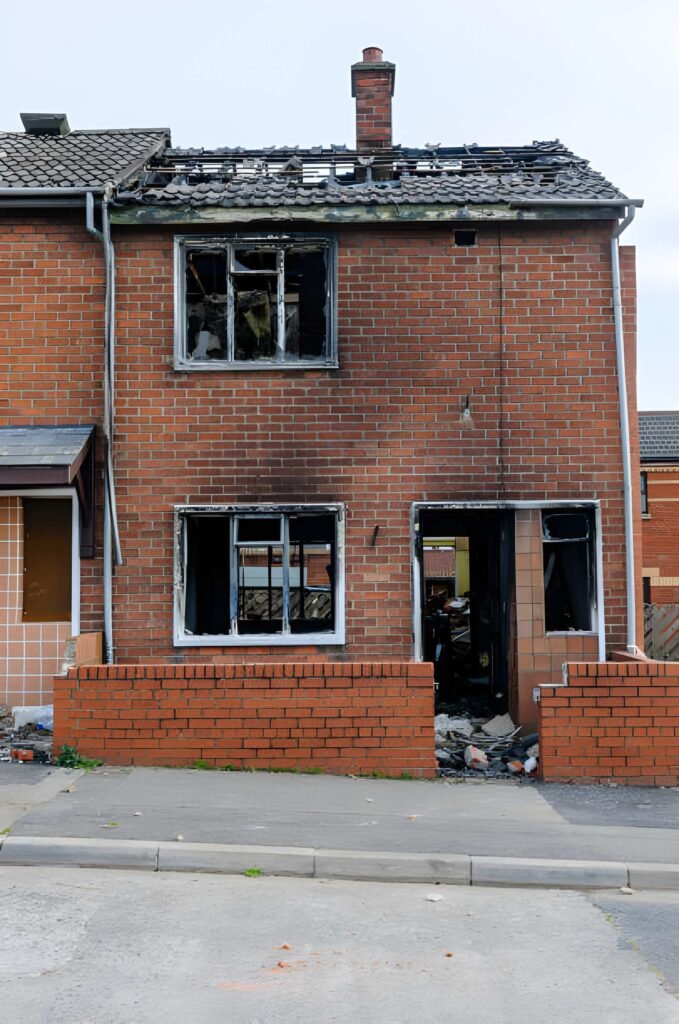
Sell the house in the condition it is in today
If you own a fire damaged house in Kings County, New York, you can sell it as is today. No repairs, no cleanup, nothing to get ready.
Smoke damage alone? We buy it as it sits. Smoke and water damage from the hoses? That is fine too. Minor damage, severe damage to the structure, or a building where the fire took nearly everything — all of it is in range. Damaged electrical systems and a scorched roof do not disqualify a property.
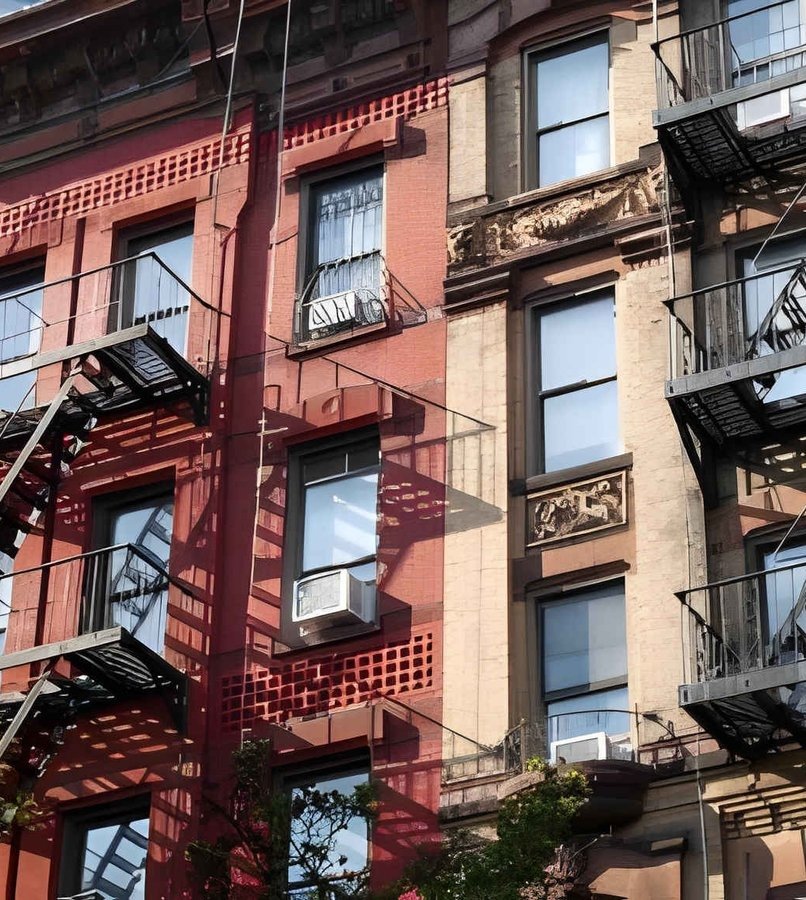
Most of this borough is attached housing. Row houses, brownstones, and two- and three-family buildings that share a wall on each side. That changes the sale in ways a generic cash offer page will not tell you.
Nothing is owed for asking. A no obligation cash offer costs you a phone call. Having one makes every other choice easier to weigh.
One thing worth saying early. Headline price is not the number that matters. What matters is what you keep. That means after repair costs, after carrying costs, after closing costs, and after however many more months you own a place you cannot live in.
Sometimes the math favors repairing. We will say so. Not every seller should take a cash offer. A fair cash offer only helps if you can see what it competes against.
What a shared wall does to the sale
A fire in an attached building is not only your fire.
Smoke and heat move through a party wall and through the shared cockloft above the top floor. Your neighbor may have damage from a fire that started in your kitchen, and you may have damage from theirs. Both facts affect what a buyer will pay. Neither is fully yours to control.
Smoke damage is the hardest to judge by looking. Odor and residue travel into wall cavities and insulation, so what nobody notices on a walkthrough tends to surface later during inspection. Potential buyers walk when that happens, and the pool of cash buyers willing to look past it is small.
Smoke and water damage raises a second question. The property met the fire and the water used to put it out, and a cash buyer prices only what is reliably usable afterward. Not what looks salvageable.
Then there is the part that has no equivalent in a detached market. You cannot sell the lot. In a free-standing house a total loss becomes a land sale, but here the building is part of a row and that option disappears. Demolition affects the homes on either side, so any buyer is buying a repair job rather than a clean site.
If the building has tenants, that is another layer. Rent regulated tenants keep rights that survive a fire and survive a sale.
What sets the offer on a Kings County property
A burned building is not valued by taking the pre fire value and cutting a set percentage. Anyone quoting a flat discount against fair market value is guessing. Ask for the math.
An honest method starts with what a buyer has to spend. What is still sound? Which parts have to come out? And what does the work cost before anyone can live there again?
That is why two burned houses with similar pre fire values get different offers. One keeps real structural and system value. The other needs the interior taken back to the joists.
Repair estimates matter here, and so does the real chance that an estimate moves once the walls are actually open. It usually does. Plan for it. A cash offer has to carry that risk.
Then there is what waiting costs you. The bills run heavier than most property owners expect:
- Mortgage payments on a home nobody can occupy
- Property taxes, which do not pause because the building did
- Vacant property insurance, which usually costs more than the policy you had
- Utilities that have to stay on
- Boarding and securing the site, repeated if it draws trespass
- Utilities and standing charges until service is formally cut
- Lost rent, if the building had tenants
- Debris removal, which is a separate line from rebuilding
None of that shows up in an asking price. It still comes due. All of it comes out of your net proceeds, and the same is true of closing costs at the end.

What happens to your insurance claim when you sell
You can sell with a claim still open. That is the general rule. It surprises most people. They assume the claim has to close first. It does not.
Who ends up with the insurance proceeds is a different question. It is specific to your situation.
Rights to an insurance settlement or insurance payout turn on five things. The policy language. Who is named as insured. Whether a mortgagee holds an interest. That is your lender, written in the language your policy uses. What has already been paid. What your purchase agreement says. Any buyer who answers before reading your policy is making it up.
If you still owe on the house, expect the lender in the room. Where your insurance company names the servicer on a structural loss payment, that servicer usually holds rights in the money. It also controls how that money is released, often in stages tied to repair progress. That is the exact process a sale is meant to let you skip.
Your personal belongings are insured separately. Contents do not transfer with the building, so ask your insurer how an open contents claim is handled once title changes hands. Keep it apart from the structure claim so neither one holds up the other.
One practical note. That damage documentation is worth keeping whatever happens with the claim. It is a dated third party record of the condition. Insurance adjusters produce it as a matter of course. Store it with your fire department incident report and your own photos. Buyers ask for all three. Keep them together.
Selling as is does not switch disclosure off — and New York changed the rules
This is the part sellers get wrong, and New York changed it recently.
New York has a Property Condition Disclosure Act, in Article 14 of the Real Property Law. For years sellers could skip the disclosure form entirely by giving the buyer a $500 credit at closing instead. Almost everyone did.
That option is gone now. An amendment took effect on 20 March 2024. That credit was removed, and the section on remedies was retitled to cover liability. Sellers now deliver a completed Property Condition Disclosure Statement before the buyer signs a binding contract. It is New York’s version of a transfer disclosure statement. That is a form where you write down what you already know about the property’s condition. Seven flood questions were added at the same time.
Now the part that matters most here.
The Act covers one to four family dwellings. Co-ops sit outside it, and so do condominiums and any property not held in fee simple. A transfer by an estate or a fiduciary is exempt as well.
A large share of this borough is co-op and condo. Inherited property is a large share of the fire damaged market. So many sellers here carry no obligation under the Act at all. Meanwhile page after page tells them they must complete the form.
Two cautions. First, an exemption from the Act is not permission to conceal, because fraud and misrepresentation rules still apply and so does your contract. Second, the standard under the Act is your actual knowledge. You are not required to go investigate.
Bring in a real estate attorney when the sale and the claim overlap in a way that changes who is owed money. Also when a lender controls proceeds, when a co-op or condo board has to approve, when tenants are in place, or when title is unclear. We are not a law firm and this is not legal advice.
[forminator_form id=”1710″]
Property taxes while you decide
Property taxes are part of your carrying costs. They keep running the whole time you are deciding whether to repair, hold, or sell.
Whether a reduction is available after fire damage is a separate question, and it is one you should not take on faith from any buyer.
If relief exists and you qualify, it changes what holding the property costs. If it does not, the bill keeps arriving and the financial burden stays where it is. Either way, find out before you compare offers. Nobody files it for you. That part is on you. Do it early.

Which agency handles what
Three different bodies matter to your sale here. They are three separate organizations.
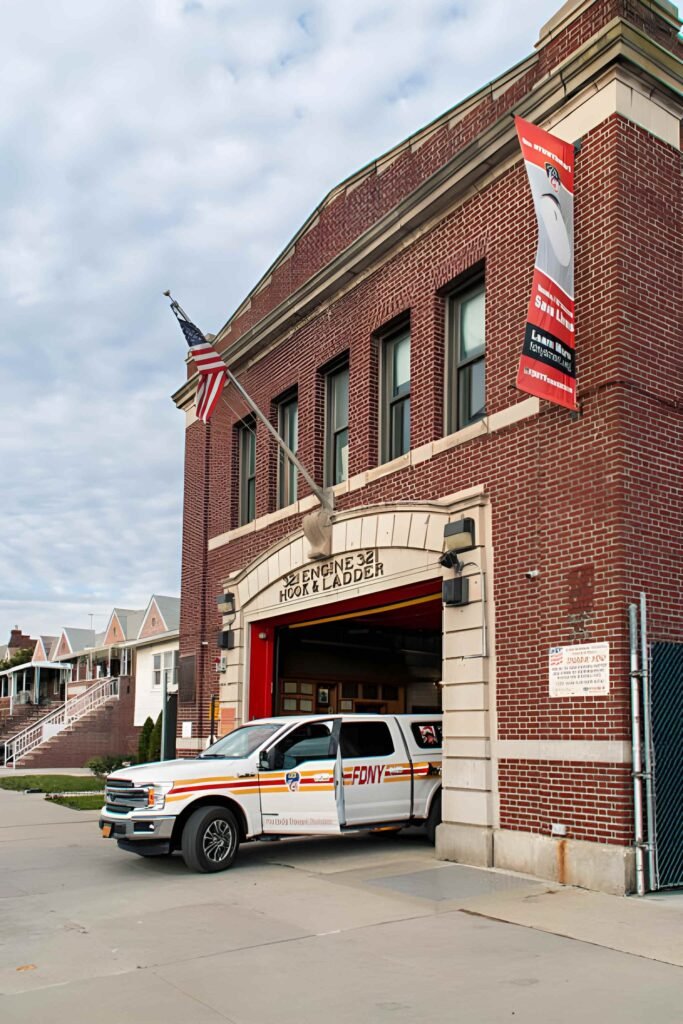
The fire report. FDNY responds and holds the incident report, and this one has a trap in it. Fire Incident Reports are not handled by the FDNY Public Records Unit. They go through the FOIL Unit instead, which is a separate office with a separate process. People send the request to the wrong place and then wait weeks for a response that was never coming. Their public records window sits at 9 MetroTech Center, at the Flatbush Avenue entrance, and since 1 March 2026 it is by appointment only.
Vacate orders. After a serious fire, FDNY or the Department of Buildings can issue an order barring re-entry. FDNY publishes its building vacate list as an open dataset, so a buyer can look yours up. If one is on your building, say so early. Hiding it costs more. It is discoverable either way, and it changes the sale process rather than ending it. Legal complications are usually workable when they surface early.
Permits. Rebuild and demolition work goes through the Department of Buildings. This matters even if you never intend to rebuild.
Closing and recording in Kings County
A cash sale still runs through an escrow process. That is the neutral third party who holds the money and the documents until both sides have done their part. The contract is signed, title gets examined for liens and other interests, and payoff figures are gathered where the property secures a debt.
Recording works differently here than in most of the country. Deeds here go to the New York City Office of the City Register, not a county recorder. Filing runs through the Automated City Register Information System. ACRIS holds records back to 1966.
That office also collects the transfer taxes at recording. There are two. New York State charges $2 for each $500 of consideration above $500. New York City charges its own Real Property Transfer Tax on top of that, at a residential rate that steps up above $500,000. The city return is Form NYC-RPT, built inside ACRIS.
One deadline catches people. That return is due within 30 days of the transfer even when no tax is owed. A title company normally files it at closing, but if you are handling a transfer yourself then that clock belongs to you.
One thing differs from a repair first sale: the date. Nothing waits on restoration work the buyer has agreed to absorb.
The four ways out, compared honestly
Repair and list. Highest headline price, if you have the capital, the time, and the appetite to manage contractors. Repair costs, change orders, inspections, mortgage payments, taxes, and insurance all stay yours until it closes. Highest gross is not highest net.
List as is with a real estate agent. Real estate agents can keep market exposure without restoring first. The buyer pool shrinks. Damaged property creates financing, insurance, and appraisal obstacles most retail buyers cannot clear.
Auction. A defined date, and it reaches buyers comfortable with damage, but you give up control of the final number.
A direct cash sale. Moves the repairs required and most of the condition risk to the buyer. We price that risk, so the number can land under a successful repaired sale. What you get instead is certainty, a closing date you can plan around, and a smooth transaction.
Compare the present condition offer against the money, the months, and the months the other three ask of you. Weigh the expected sale proceeds under each, not the headline number. Then choose. No rush from us. If we are not the right answer, that is a fine outcome. You will know why.

Where we buy in Kings County
County and borough are the same place here. One city, dozens of neighborhoods, and the building stock changes street to street. These pages cover what actually differs from one neighborhood to the next.
- Sell a fire damaged house in Bedford-Stuyvesant
- Sell a fire damaged home in East New York
- Flatbush fire damaged property sales
- Fire damaged houses in Bushwick
- Sell a fire damaged house in Crown Heights
- Sell a fire damaged home in Bensonhurst
- Canarsie fire damaged house sales
- Fire damaged property in Sunset Park
- Sell a fire damaged house in Bay Ridge
- Sell a fire damaged home in Williamsburg
[forminator_form id=”1710″]